
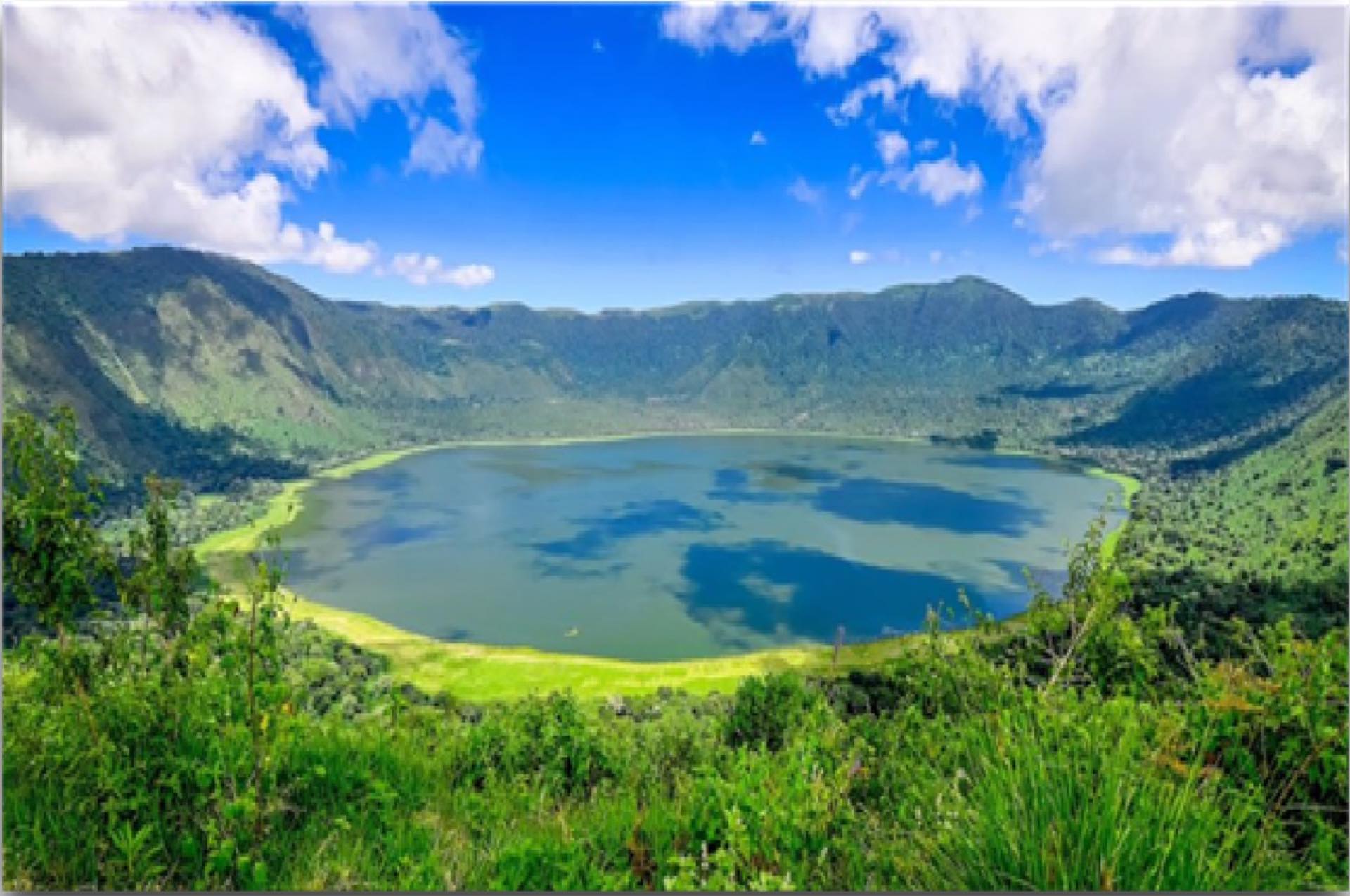
Every safari has a footprint — fuel for the vehicle, energy at the lodges, flights to get here. We can’t make that footprint disappear, but we can measure it, keep it as small as possible, and offset the rest in a way that helps Tanzania directly.
Why carbon matters here
Emissions from vehicles, energy, aircraft and industry speed up climate change, and the world’s poorest communities feel its effects first. In East Africa that means less reliable rains, harder harvests and more pressure on wildlife.
Working with Carbon Tanzania
We work with Carbon Tanzania, a forest conservation business and Tanzania’s leading supplier of high-quality forest carbon offsets. Their offsets are certified by independent, international verification organisations.
The emissions from your safari vehicle are offset through Carbon Tanzania, and the payment goes straight to the forest communities who protect their land.
How it works
- Forests store carbon. When a threatened forest is cut down, the carbon it holds is released.
- Protection keeps it there. Carbon Tanzania works with indigenous communities to protect their forests and wildlife. The carbon kept in those standing trees is measured and sold as offsets.
- Communities benefit. The communities earn an income from every offset sold and decide for themselves how to spend it — on services and development projects.
The result is a thriving community and a healthy forest, good for Tanzania and for the planet. We also encourage our guests to offset their flights.
Plastic-free safaris
Plastic pollution is a serious problem in Tanzania, and tourism adds to it: millions of plastic bottles handed out on safaris end up in landfill or in rivers. Here’s what we do instead.
- Refillable bottles. Every guest gets a stainless-steel water bottle, with clean drinking water carried in the vehicle.
- Hot lunches. Many operators hand out lunch boxes full of plastic wrapping and cardboard. We serve hot lunches in stainless-steel containers.
- Plastic-free lunch boxes. If you do have a lunch box on the first day, it is 100% plastic free, with compostable packaging.
- No throwaway extras. We don’t print glossy brochures that go out of date or hand out plastic gimmicks that end up in the bin.
Small daily habits — a refillable bottle, a hot lunch in a steel tin — add up to thousands fewer pieces of plastic in the parks.
Lodges that share our approach
Wherever we can, we choose lodges and camps that also work to reduce their impact — with solar power, clean drinking water without plastic bottles, and careful waste management. Ask us, and we’ll point out the greenest options for your route.
Read more about how we travel responsibly, or start planning your safari.